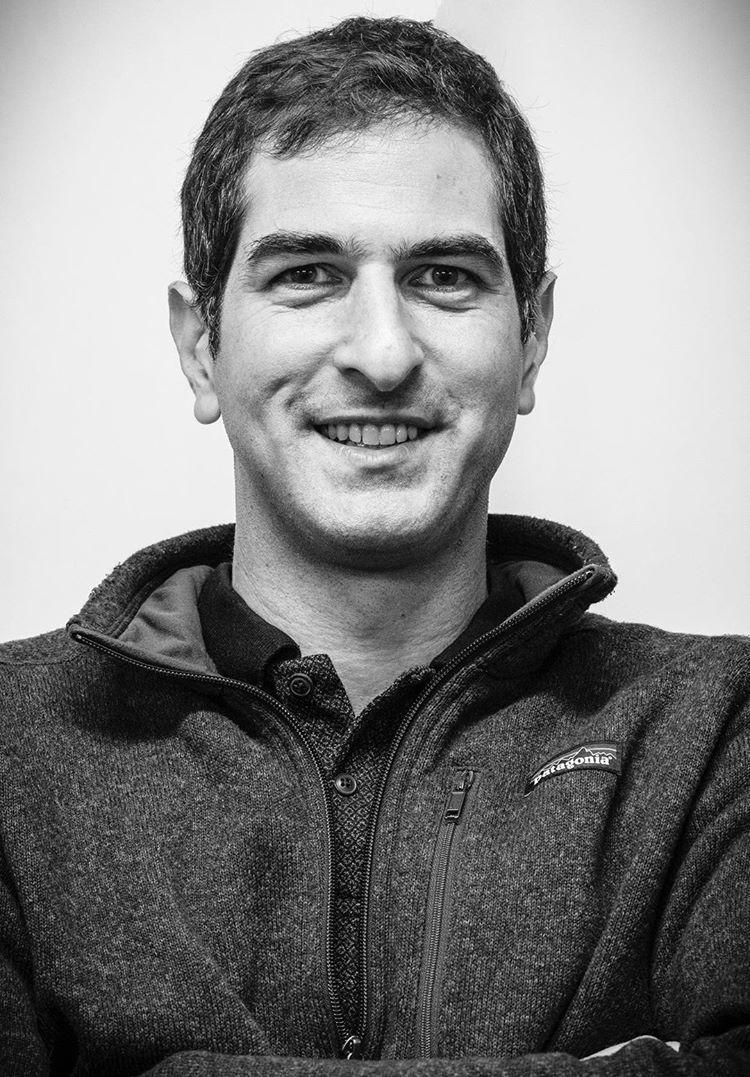
Ali Değer Özbakır
I am an Assistant Professor of Computer Science / AI at Open Universiteit, Heerlen, Netherlands, where I co-developed the MSc course Software Engineering and AI and teach Time Series Analysis and Forecasting.
My research centers on machine learning for time series: occupancy inference and energy optimization from sparse IoT sensor data, using RNNs, Transformers, and graph neural networks. I also work on multi-agent systems for peer-to-peer energy trading, including blockchain-based smart contracts for battery storage markets.
I’m fascinated by epistemic agency: the capacity to ask questions, evaluate evidence, and revise beliefs within shared rules, what Wittgenstein called language games. Chatbot conversation complicates this in a specific way: it has the surface form of dialogue, what Habermas called pseudo-communication, without the mutual understanding real dialogue requires. What draws me to generative AI is how it raises these questions at scale, and how easily the resulting failures get framed as individual rather than institutional.
Before moving into computer science, I trained as a geophysicist (PhD, Utrecht University), working on GNSS network analysis, earthquake hazard modeling, and Earth observation. That background still shapes how I think about probabilistic modeling and messy, real-world sensor data.
A full list of positions, teaching, and publications is on my CV, Teaching, and Publications pages.
Recent news
Invited to speak at the GenAICSEdu workshop (co-hosted with ICAB), Utrecht University: “Think Like a Chief Engineer: An MSc Course Where AI is Both a Partner and Black Box,” with S. Bromuri.
Teaching Programming Practicals (C programming) for the OpenEU programme, starting later this month.
Early preview available of the HOMESENSE paper in Scientific Data (Nature): “A multisensor dataset of energy use and activity in Dutch social housing,” doi.org/10.1038/s41597-026-08321-w.